Interesting Facts About a Coyote You Have Never Heard
L'essentiel : Coyotes live in all 50 US states and much of Canada, run up to 40 mph, clear 14-foot obstacles, and use at least 11 distinct vocalizations. They pair for life, raise…
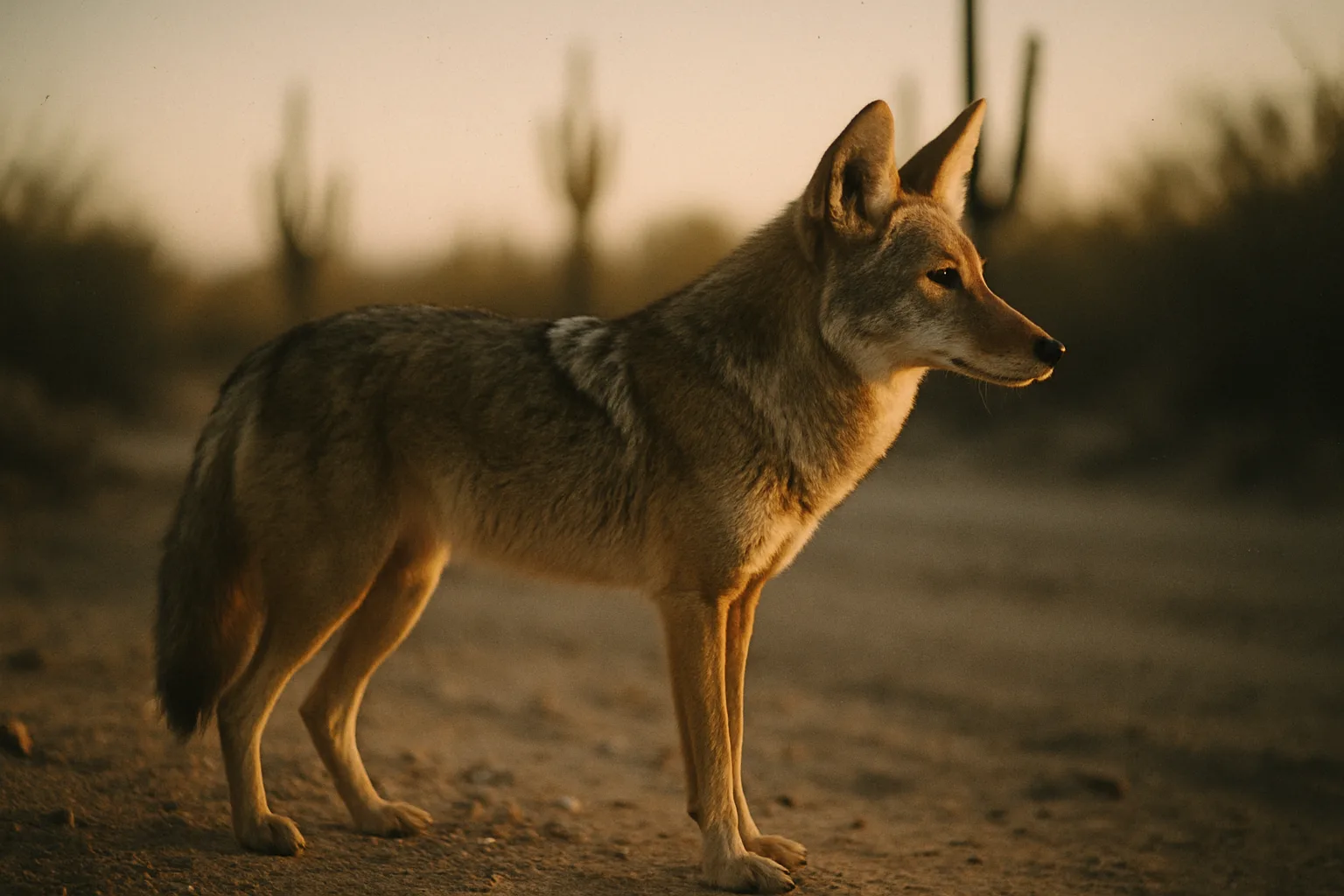
Maybe you saw one trot across a road at dusk and it did not look like the animal you expected. Too calm. Too deliberate. You went looking for solid information and found the same recycled list on every site: they are fast, they are adaptable, they live everywhere. None of it told you what a coyote actually does with its day, or why a 40 mph sprint matters less than the way it tilts its head at a patch of dry grass.
The numbers below come with the behavior attached, because a statistic without a picture around it slides right out of your memory. A 99% hunting success rate on small rodents sounds like a typo until you watch it happen at dawn. Eleven distinct vocalizations sounds like trivia until you learn to tell a greeting yip from a pair announcing territory. By the end you will recognize what you are looking at the next time one crosses your path, and you will have a few facts worth repeating.
Coyotes Are Masters of Adaptation
Start with the fact that surprises almost everyone: coyotes now live in all 50 US states and across much of Canada. A century ago they were largely a western animal, tied to open grassland and desert. Today radio-collared coyotes den in vacant lots within a few miles of downtown Chicago.
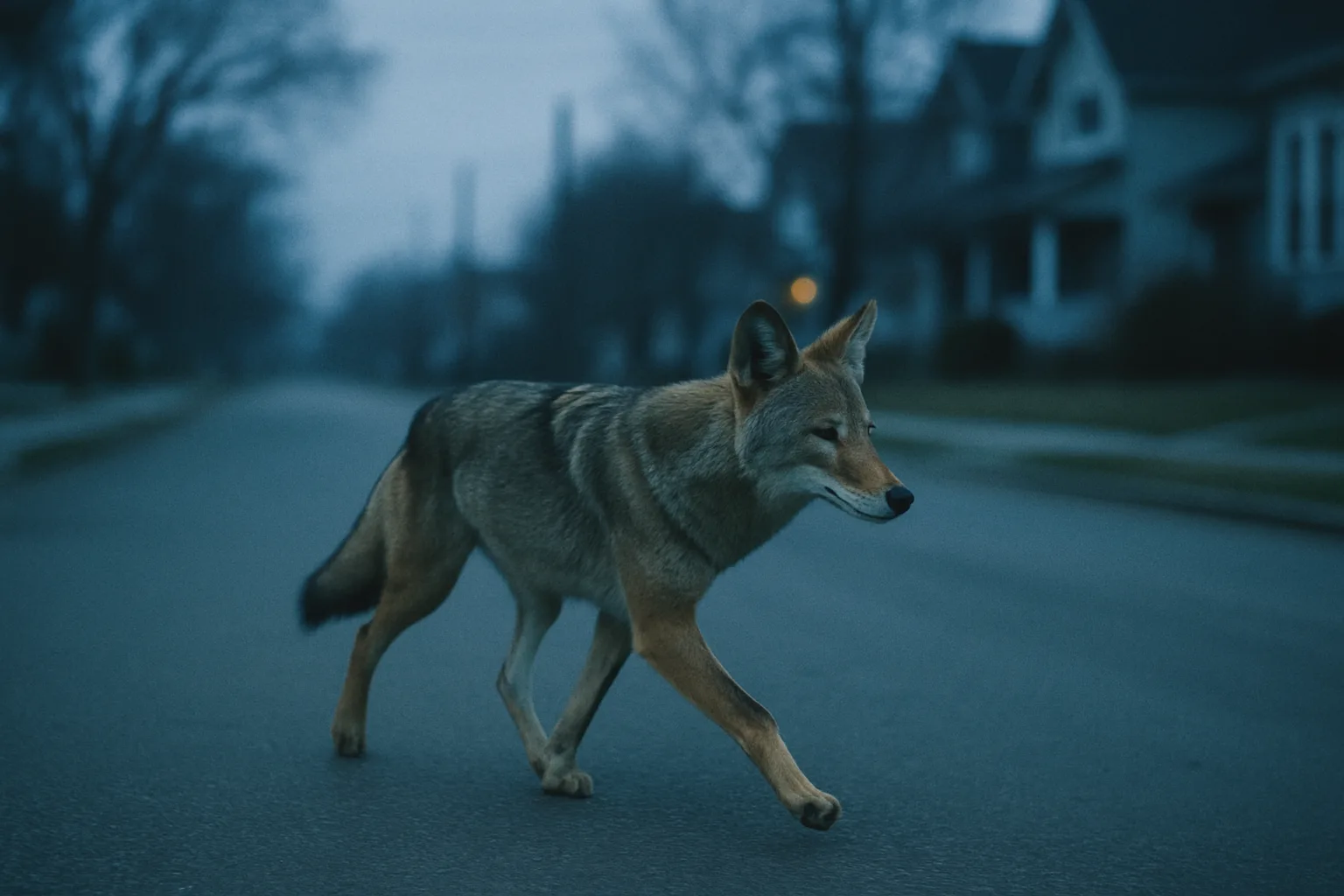
From Desert to City Streets
The shift was behavioral, not physical. City coyotes flipped their clocks, hunting mostly between midnight and dawn when traffic thins and people go inside. They learned road crossings, waiting at curbs the way you would. Their diet stretched to whatever the block offered: rodents, rabbits, fallen fruit, insects, the occasional cat. Research summarized by the National Park Service coyote overview describes them as opportunistic omnivores, which is the whole trick.
Surviving Where Other Predators Fail
Wolves and mountain lions retreated from human expansion. Coyotes moved into the gap and expanded their range instead. Part of the reason is reproductive: when populations get thinned out, litter sizes tend to rise, which makes them stubbornly hard to reduce.
Size helps too. A Sonoran Desert coyote weighs 20 to 35 pounds, small enough to slip through a drainage culvert unnoticed and big enough to hunt on its own.
Intelligence and Problem-Solving
Living in a city rewards animals that learn fast, and coyotes learn faster than most people expect. Their problem-solving shows up in ordinary, observable routines rather than in anything mysterious.
Learning from Humans
Urban coyotes read traffic. Researchers working with Chicago's long-running urban coyote study have documented animals waiting at curbs, watching the flow, then crossing during gaps, and some individuals appear to use the same crossing points night after night. They also track our schedules. Garbage collection days, restaurant closing times, the hour a neighborhood goes quiet: all of it is predictable, and predictability is easy to exploit.
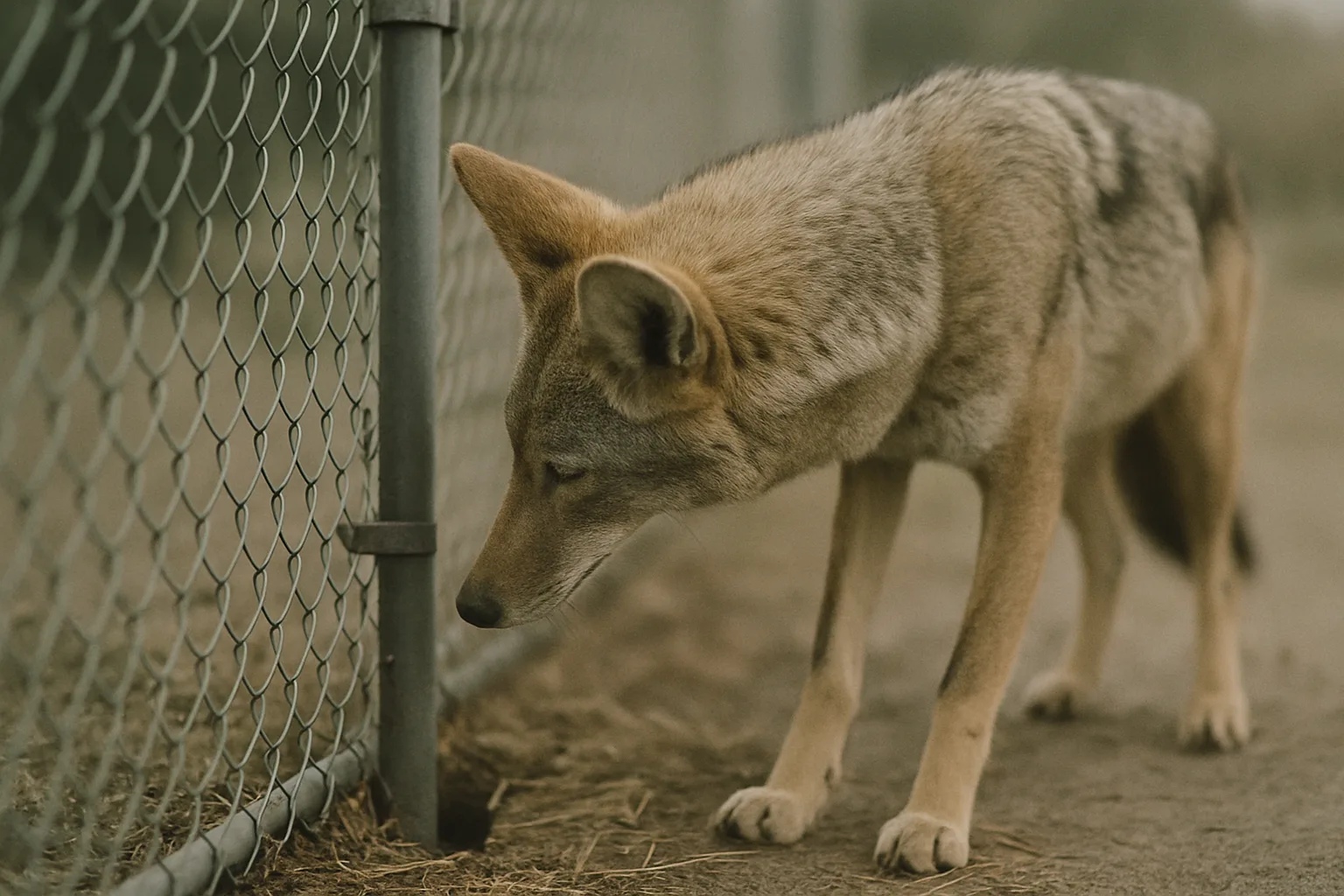
Fences get tested the same way. A coyote that can clear roughly 6 feet of vertical fencing will often try the gate, the gap under the gravel and the loose panel first, because digging costs less energy than jumping. During eight years of radio-tracking packs through the Phoenix suburbs, the pattern I saw most was patience, not boldness. They rarely rush anything.
Tool Use and Tactical Hunting
No verified tool use exists in coyotes. What they do instead is tactical. On the plains, coyotes hunt alongside badgers, one flushing ground squirrels above while the other digs below, and both eat better than they would alone. Against small rodents in open ground, their strike success is extraordinarily high, near 99 percent by some field estimates, built on that stiff-legged pounce you can watch in any desert wash at dusk.
Communication: A Complex Language
Reading a fence line tells you where a coyote went. Listening tells you who it was talking to, and researchers have documented at least 11 distinct vocalizations in the species, more than most wild canids use.
Howls, Barks, and Yips
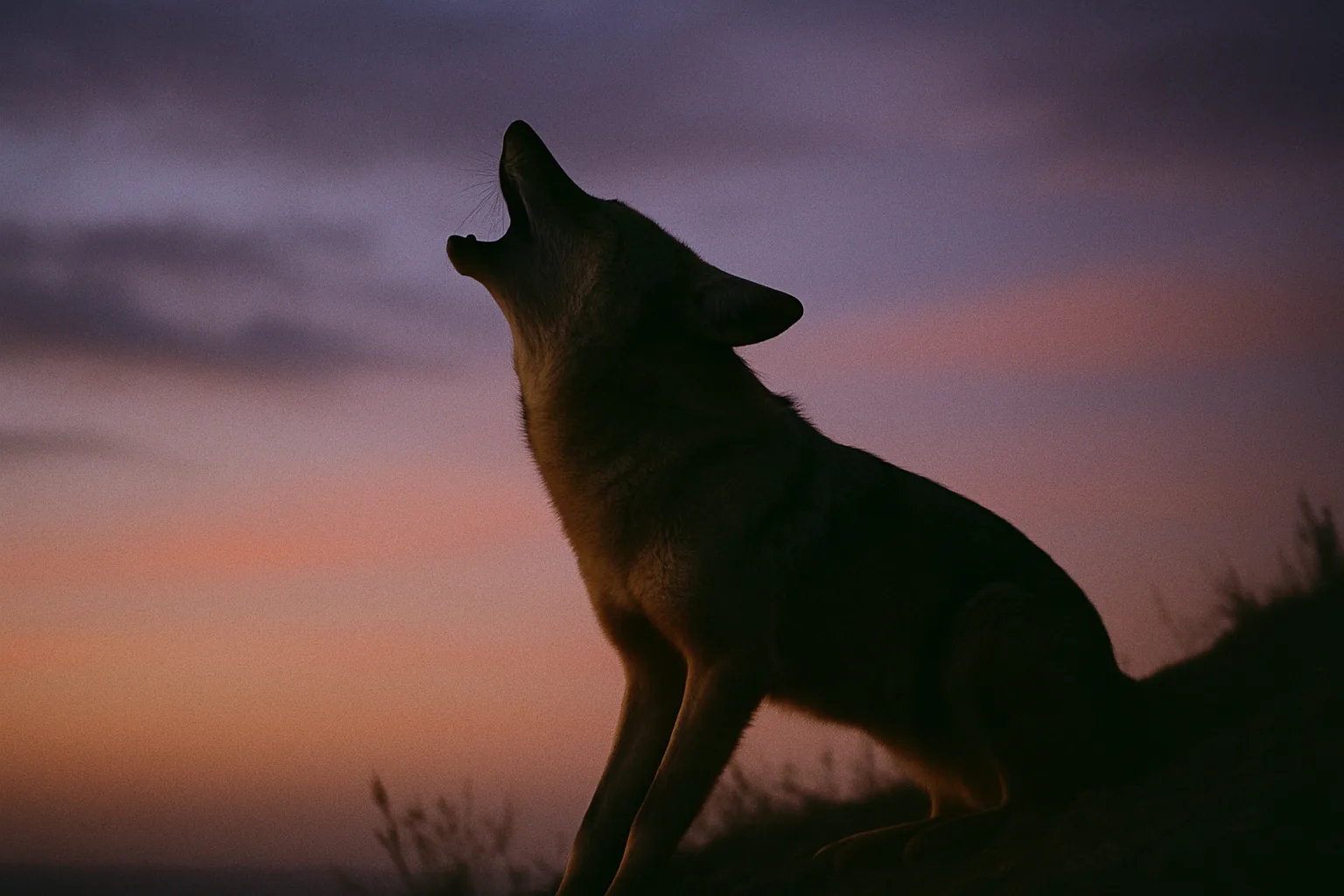
The three you hear most often are the lone howl, the group yip-howl, and the bark. A lone howl carries for miles across open desert and works like a roll call. Barks come with agitation, usually directed at something specific: a dog, a person, a headlight. Woofs, whines, growls and huffs fill in the close-range register, and pups add a high squeal that adults answer within seconds. Their hearing reaches into ultrasonic frequencies well past ours, which means part of their world stays silent to us.
What Each Sound Means
Here is the misreading I hear constantly: someone counts a dozen animals in a night chorus. It was two. The overlapping pitches and warbles create what biologists call the beau geste effect, an acoustic illusion that inflates the apparent group size. Nobody has proven whether the animals do it on purpose.
Most choruses are family members reuniting or announcing territory, not a hunt. The National Park Service coyote profile describes the same pattern across park lands.
Family Life and Loyalty
Those night choruses come from families, and the family unit is where coyote biology gets genuinely unexpected.
Lifelong Mates
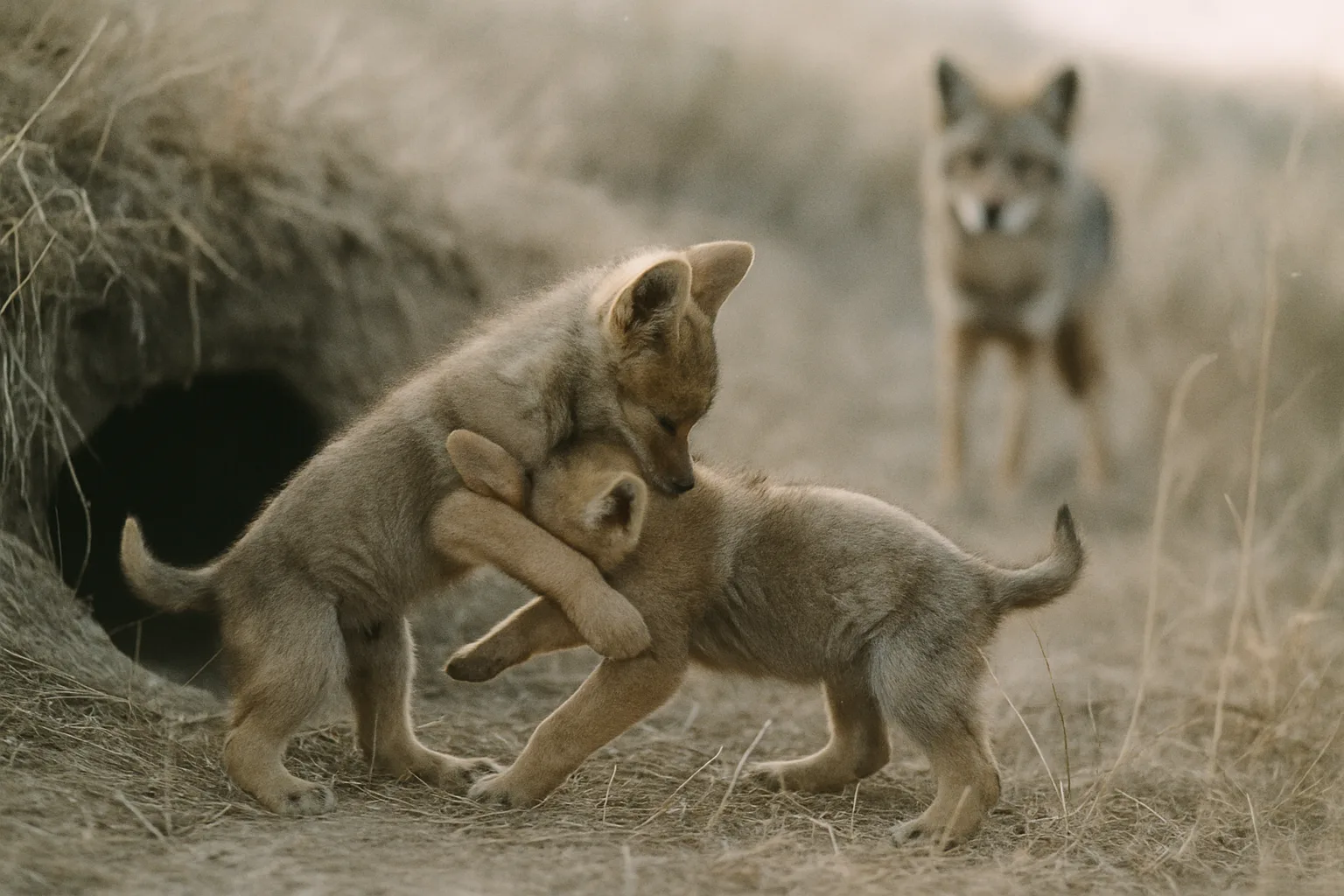
Coyotes form pair bonds that usually last until one animal dies. Not metaphorically, literally. Researchers with the Cook County Coyote Project in the Chicago area ran genetic tests on 236 coyotes over six years and found no evidence of a single mated animal straying outside the pair. Zero. That level of monogamy is uncommon among mammals, and nobody has fully explained why coyotes hold to it so consistently. The working theory is practical: raising pups in a hard landscape takes two adults, and a male who wanders loses his territory.
Raising the Next Generation
Litters run four to seven pups, born blind in a den dug into a bank, a culvert, or under a shed in the suburbs. The male hunts and carries food back while the female stays with the litter through the first weeks. Pups open their eyes around day ten and start emerging near three weeks.
Then there is the part most people miss. Yearlings from the previous litter sometimes delay dispersal and stay on as helpers, hauling food and watching the den. The National Park Service overview of coyote biology notes this pack structure forms where food and space allow it. Pack size follows resources, not affection.
Physical Abilities That Surprise
Family structure explains a lot about how coyotes survive. Their bodies explain the rest.
Speed and Agility
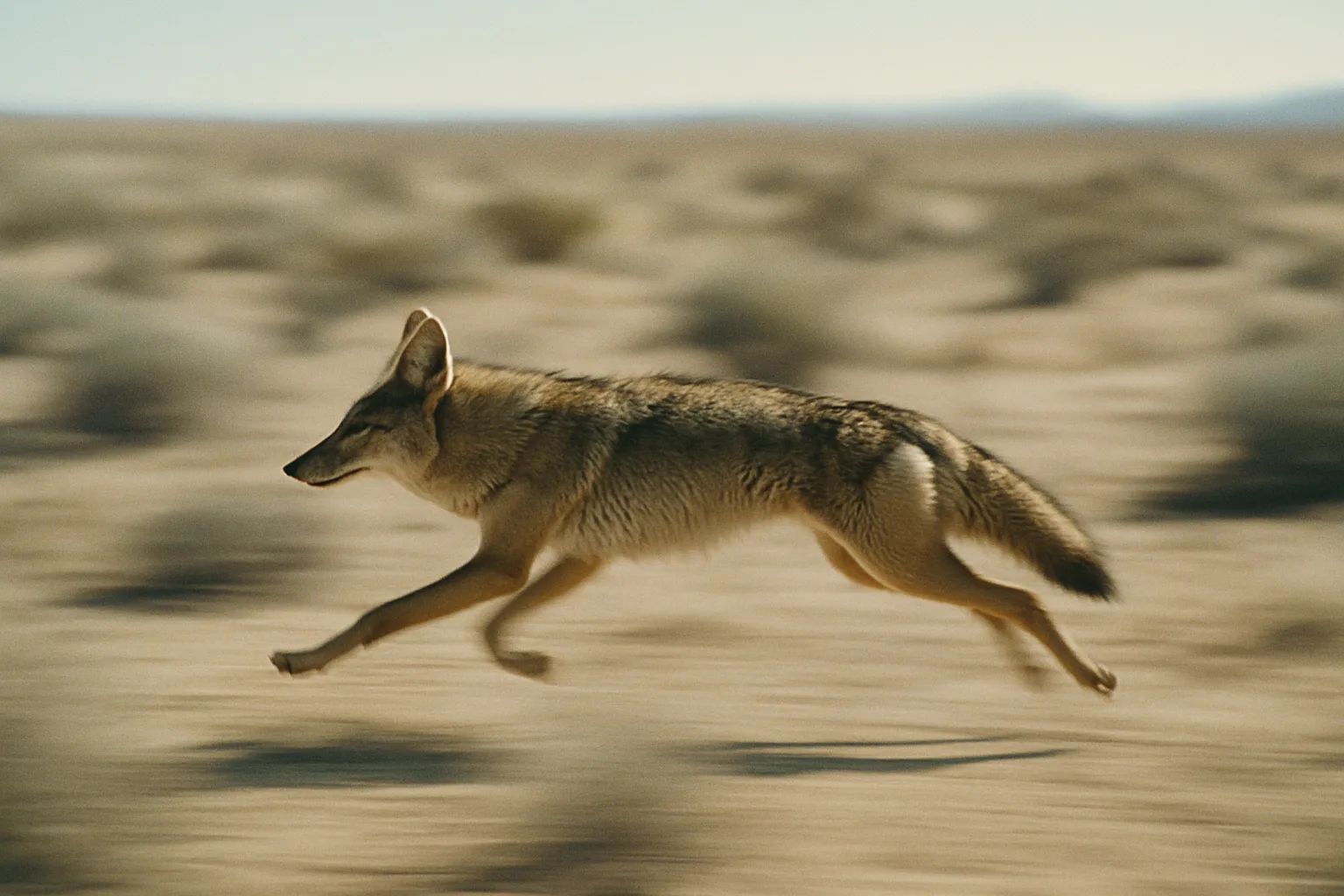
A coyote can hit 40 miles per hour in a sprint, faster than any dog you are likely to own. But the number that matters in a backyard is the vertical: they clear 14 feet, and they climb chain link by hooking their forepaws over the top rail and scrambling. I have watched one test three sections of the same fence in under a minute before finding the low corner. If you are fencing a yard in Tucson or the Phoenix suburbs, six feet with a roller bar at the top does more than eight feet of flat panel.
Sensory Superpowers
Hearing is the real weapon. Coyote ears pick up ultrasonic frequencies well above the human ceiling, which is how they locate a vole moving under four inches of snow or leaf litter. Watch one in an open field at dusk: head cocked, body frozen, then the stiff-legged pounce. Studies of that pounce put their success rate on small rodents near 99 percent, and the National Park Service notes rodents dominate their diet for exactly that reason.
Go outside tonight, around an hour after sunset, and just listen for ten minutes. Backyard, balcony, trailhead parking lot, it barely matters, since coyotes now live in all 50 states and most of us are closer to a family group than we realize. You will probably hear nothing the first few nights, then one evening a yip-howl will start up two streets over and stop just as fast. Once you know that a pair can sound like six animals, that chorus stops being unsettling and starts being information: who is out there, roughly where, and how many. That shift, from alarm to curiosity, is the whole point.
Wildlife field technician and naturalist, American Southwest
Alex Carter, 41, is a naturalist and writer specializing in the wildlife of the American Southwest. He spent eight years as a field technician radio-tracking urban coyote packs in the Phoenix suburbs and assisting wildlife rehabilitators in Tucson. He writes to turn fear into understanding.